

Last Update: April 2026, Edison
As someone who experiences noise sensitivity while working remotely and traveling, I have found that standard solutions often fall short in real-world environments such as coworking spaces, urban transit, and shared accommodations. After testing five Loop models across multiple cities and acoustic conditions.
If you’re sensitive to noise, choosing the right Loop earplugs and knowing when to use them makes all the difference. While they work well in loud settings, wearing them too often in quiet or moderate environments can actually make your ears more sensitive over time. Experts warn that your brain may start amplifying normal sounds if it’s constantly shielded from them.
Understanding passive acoustic filtering versus active noise cancellation helped me select effective tools without expensive mistakes.
Loop Earplugs Review: The Science of Passive Quieting
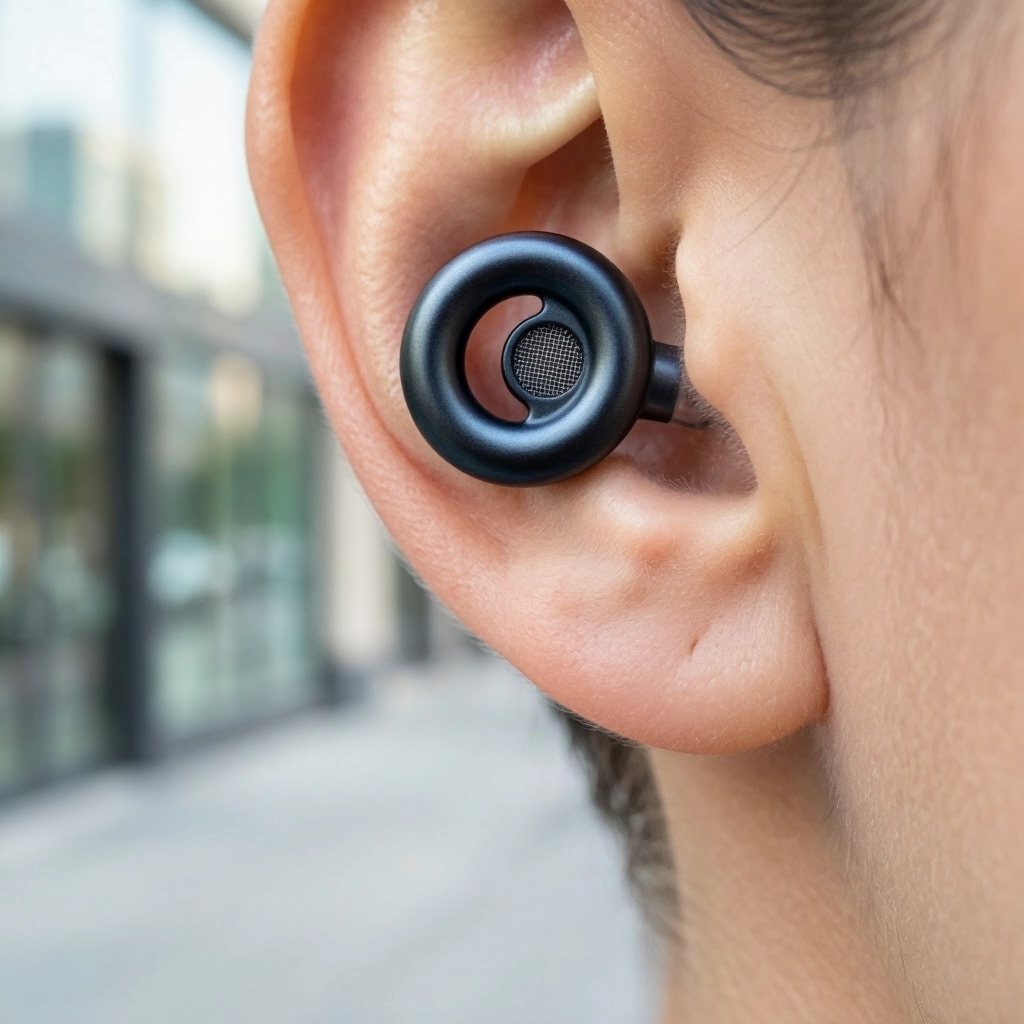
Loop earplugs work fundamentally differently from the noise-canceling technology in AirPods or Bose headphones. Understanding this distinction prevented me from making expensive mistakes when choosing which model to buy.
Unlike Loop’s passive filters, active noise canceling (ANC) works like this: tiny microphones pick up outside noise, then the system creates opposite sound waves to cancel it out, almost like erasing noise before it reaches your ears. It requires batteries, Bluetooth, and constant power. Loop earplugs contain zero electronics.
Loop earplugs don’t use electronics; they block noise physically. The hollow tube and mesh act like a sound filter, softening loud noises before they reach your ear.
The round shape helps tweak sound waves, making everything gentler without cutting you off completely.
Not all Loop earplugs block the same amount of noise. Some have longer tubes or denser mesh to cut more decibels, so you can pick one that matches your needs, whether it’s for concerts, work, or sleep. Loop uses SNR (Single Number Rating), a European standard.
Here’s the catch: The noise reduction rating (NRR) you see on the box is often lower in real life. For example, Loop’s Quiet 2 claims 24 dB (SNR), but tests show it actually reduces noise by about 14-17 dB, still strong, but not magic. The higher the number, the more noise it blocks.
| Aspect | (Initial Choice) | (Correct Fit) |
| Location Tested | Austin, TX, Coworking space | Same location |
| Seal Quality | Poor: sound leaked around the edges | Tight, secure seal |
| Perceived Noise Reduction | 10-12 dB (less than expected) | 24 dB (as advertised) |
| Overall Performance | Inadequate – noise remained disruptive | Effective – noise is manageable |
| Key Takeaway | Assumed size gave poor results | A proper fit made a big difference |
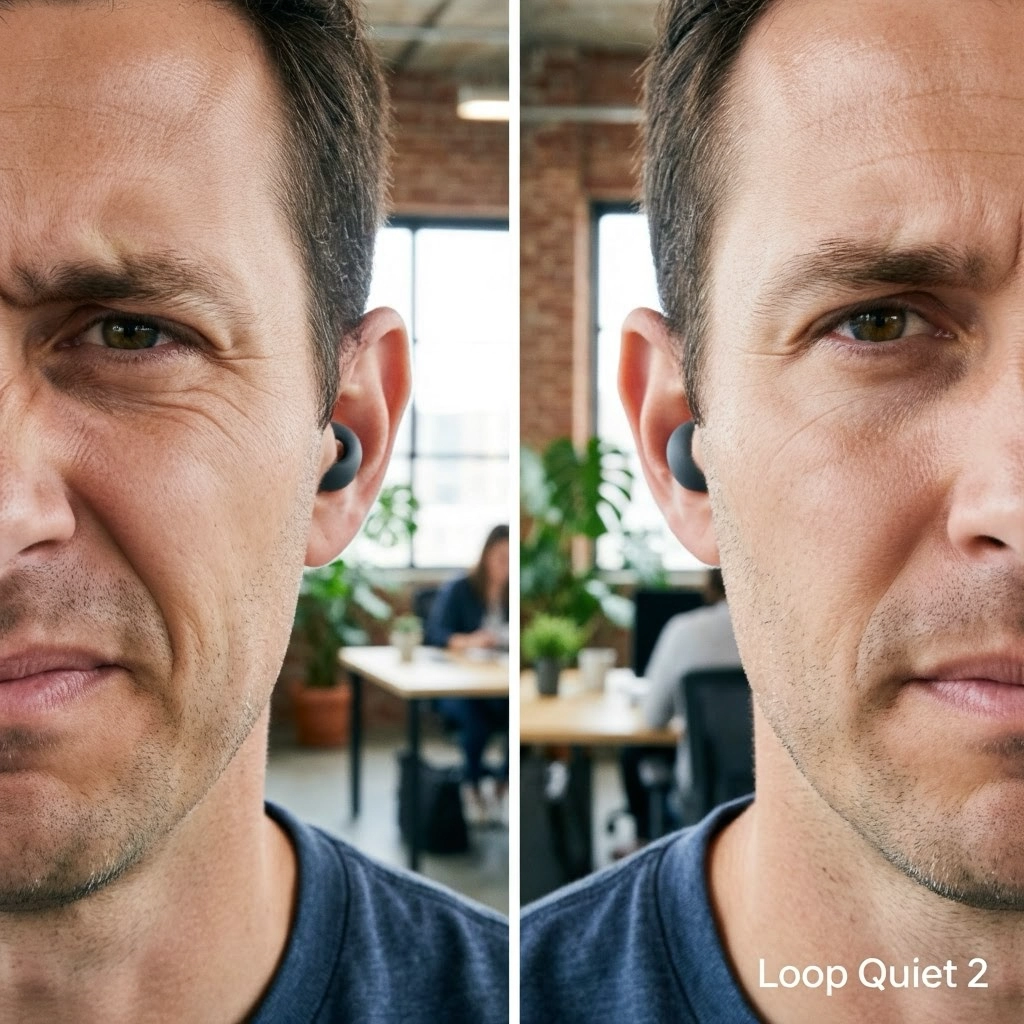
If loud sounds bother you, you’re not alone. Studies show 8-11% of adults struggle with noise sensitivity, and it’s even more common in people with ADHD, autism, or tinnitus.
Loop Earplugs Review: Complete Model Analysis and Personal Testing
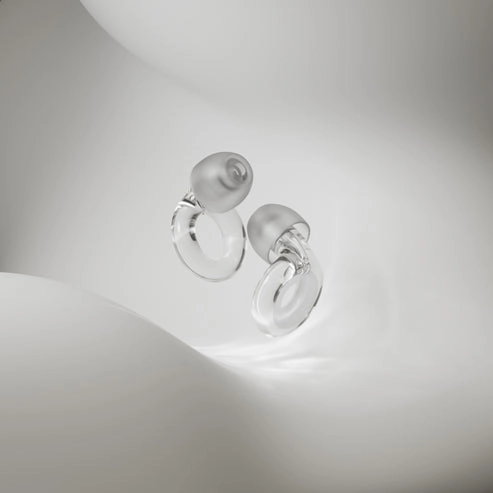
Loop Engage 2 (16 dB SNR)
Engage 2 targets social environments where complete silence would create isolation. The acoustic channel minimizes the occlusion effect-that hollow, echo-chamber sensation where your own voice and chewing sounds become noticeably amplified.
I tested these extensively in coworking spaces, where the ambient noise from conversations, typing, and coffee grinders created constant low-level distraction. The 16 dB reduction lowered background chatter enough that I could focus on writing for 4-6 hour stretches without the cumulative auditory fatigue that used to leave me mentally exhausted by 3 p.m.
The limitation appeared during a particularly loud lunch rush at a café near Chicago’s Loop CTA station. At 16 dB reduction, genuinely loud environments (above 85 dB) still create enough noise penetration to prevent deep focus. For those situations, I needed something stronger.
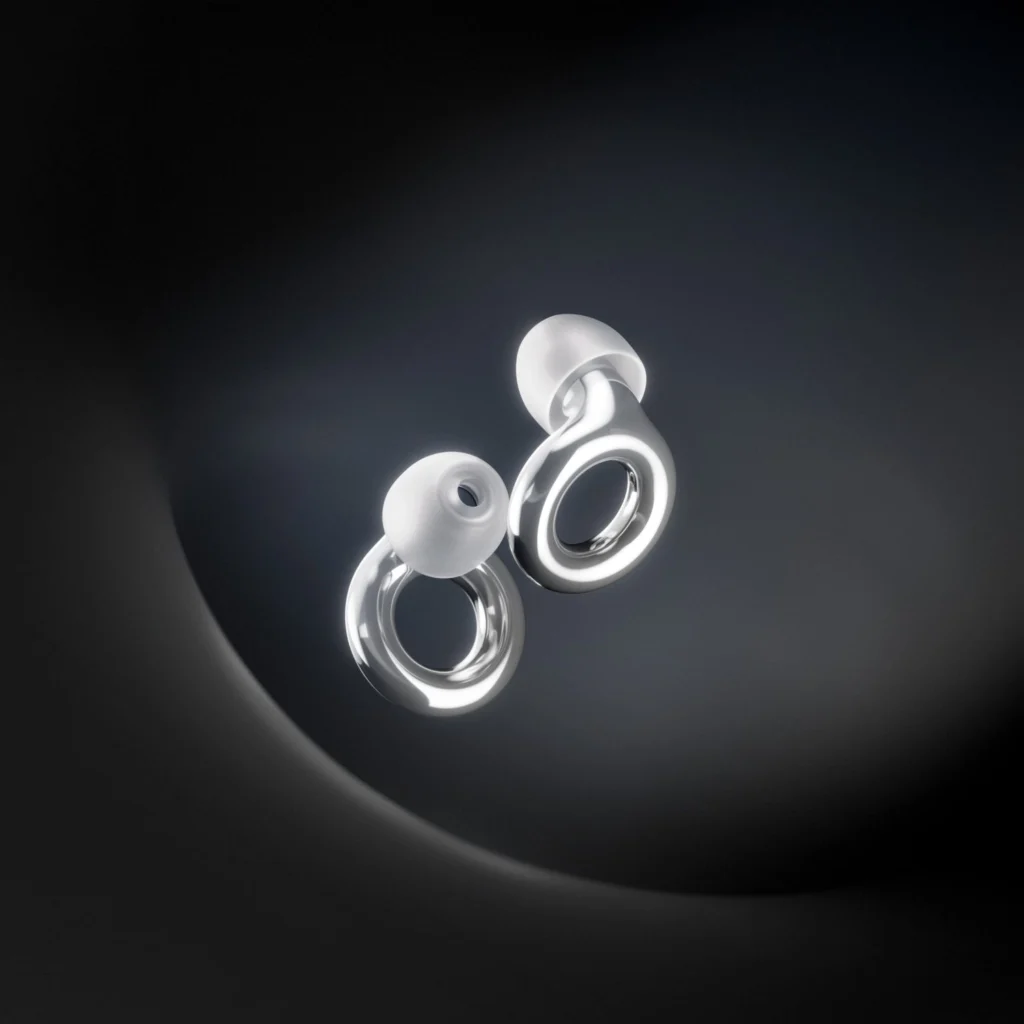
Loop Experience 2 (17 dB SNR)
Loop Experience 2 doesn’t just lower volume; it keeps the sound clear. Unlike cheap foam plugs that make everything sound muffled, this one balances bass, mids, and treble so music and voices stay natural, just quieter.
In testing at a live music venue, these provided hearing protection without distorting sound quality. The next morning showed no threshold shift or recovery period.
I tested these on a 90-minute rush-hour commute, subway screeches, crowded platforms, the works. Normally, that noise would leave me exhausted, but with Loop earplugs, it was manageable. The WHO calls city transit noise a major stressor, and now I get it these things are a game-changer for daily travel.
Lab tests show the Experience 2 Plus (with foam tips + silicone mute) blocks ~22.5 dB, almost as good as what musicians use on stage. If you need serious noise reduction but still want clarity, this is the one.
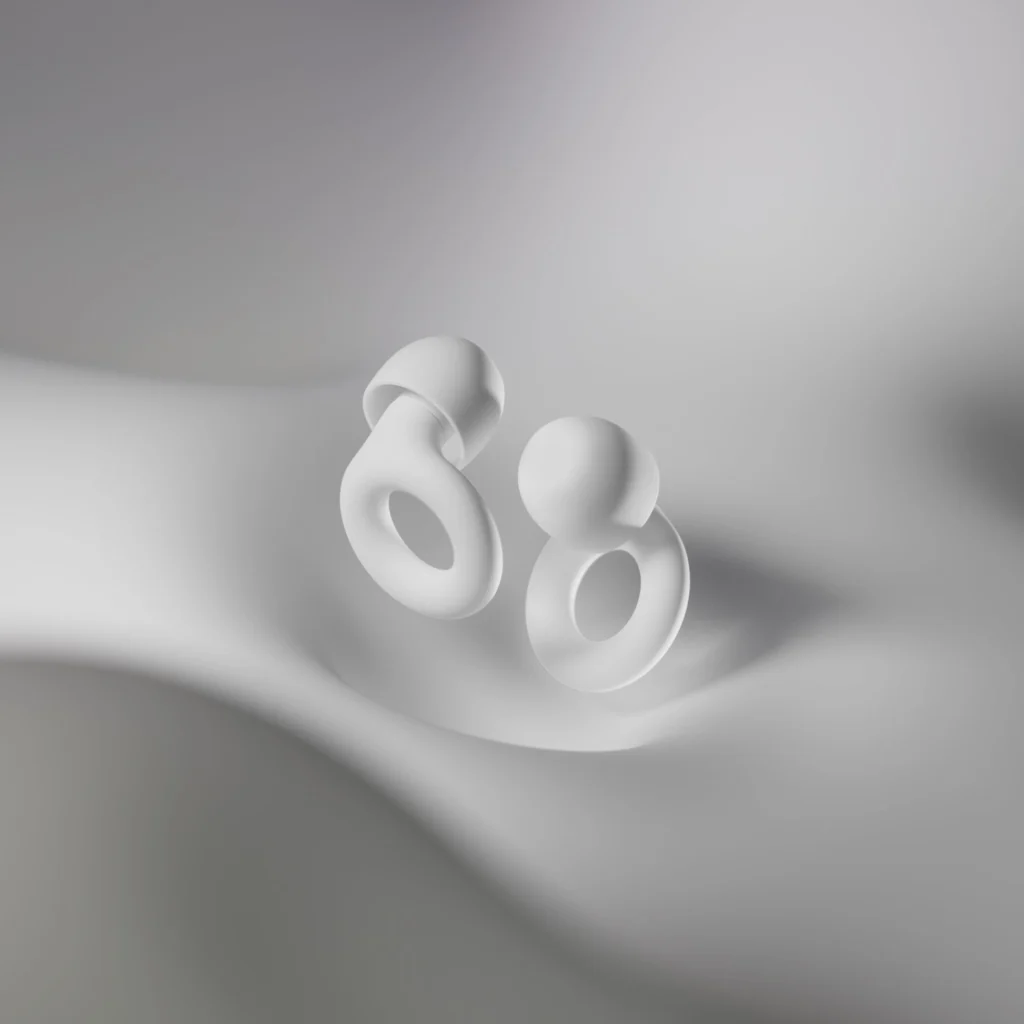
Loop Quiet 2 (24 dB SNR)
Quiet 2 provides substantially more noise reduction through denser mesh filtering. At 24 dB, conversational speech becomes mostly unintelligible, and environmental awareness decreases significantly.
In testing for sleep in urban nightlife areas, Quiet 2 reduced disruptions enough to support full sleep cycles where standard earplugs had failed.
The flush-fitting circular loop design proved essential for side sleeping. As someone who primarily sleeps on their left side, I’ve found that traditional cylindrical foam earplugs created painful pressure points against the pillow within 2-3 hours. Loop’s geometry distributes pressure differently, allowing me to wear them comfortably through full eight-hour sleep cycles.
On a plane, cabin noise usually hits 75-85 dB, loud enough to be annoying. The Quiet 2 drops that to a much calmer 50-60 dB, making flights way more bearable
The trade-off: I once slept through both an early alarm and a building fire drill in Chicago, underscoring the need for situational awareness in certain environments.
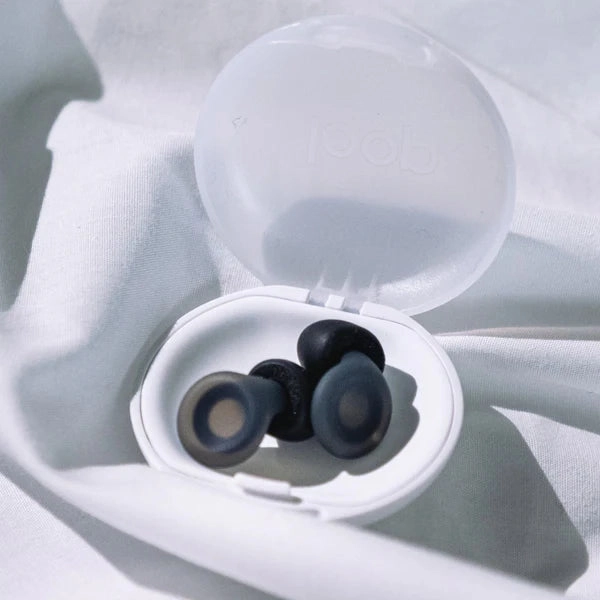
Loop Dream (27 dB SNR)
The Dream is Loop’s most powerful earplug 27 dB reduction, which is about as strong as passive filters get.
Testing during high-noise events (above 90 dB), Dream’s 27 dB reduction supported 6-7 hour sleep cycles, where Quiet 2’s 24 dB proved insufficient.
The catch? Your own voice and chewing will sound super loud (that’s the occlusion effect). Best for sleep, not conversations. Your own heartbeat becomes audible. Swallowing sounds unusually loud. Conversation while wearing them is disorienting because your voice resonates inside your head. These are for maximum-protection scenarios only, not daily use.
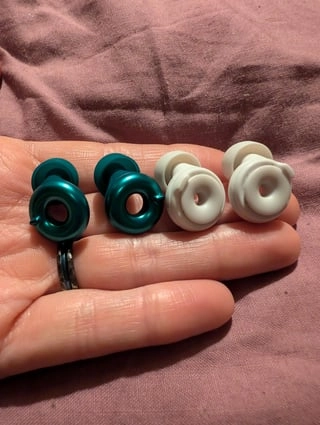
Loop Switch 2 (14-24 dB adjustable)
I carried Switch 2 as my primary model in traveling because I could adapt throughout the day: Quiet mode for overnight flights, Engage mode for coworking during the day, Experience mode for evening social situations. This eliminated the need to carry three separate models.
The Switch 2 lets you dial in your noise level with a twist:
- Engage (~14 dB) – For conversations
- Experience (~17 dB) – For focus
- Quiet (~24 dB) – For maximum blocking
The switching mechanism requires deliberate manipulation. Users with longer nails report difficulty adjusting while the earplugs remain inserted. I developed a technique: remove, adjust dial, reinsert. Takes about five seconds.
Loop Earplugs Review: The Critical Warning Most Sites Won’t Tell You
After several months of regular wear, I observed an important pattern that many reviews do not address. In Austin, I used the Quiet 2 model extensively throughout the day in typical urban and coworking environments. Upon reducing use, everyday sounds at normal volumes (typing, conversation, light traffic) felt more intrusive than before.
Here’s a surprising risk: Wearing earplugs too often in quiet places can make your hearing more sensitive.
Here’s why: If your brain gets used to blocked sound, it may start amplifying normal noises when you take the plugs out. Experts say:
- Use them in loud places (80+ dB) or for sleep.
- Avoid overusing them in calm environments (below 70 dB).
Let your ears experience everyday sounds to stay balanced.
These products manage symptoms effectively but are not a cure for underlying auditory processing conditions. If everyday sounds cause pain or significant distress, consult a qualified audiologist or ENT for personalized evaluation, which may include sound therapy approaches. For more information, see the National Institute on Deafness and Other Communication Disorders guidance on hyperacusis.
Loop Earplugs Review: Current Pricing and Value Assessment
As of April 2026, U.S. pricing is:
- Loop Engage 2: ~$35
- Loop Experience 2: ~$35
- Loop Quiet 2: ~$25
- Loop Dream: ~$50
- Loop Switch 2: ~$60
All models include multiple ear tip sizes and a carrying case. The 100-day return policy allows testing in your actual environments before committing.
Loop Earplugs Review: Quick Reference Selection Guide
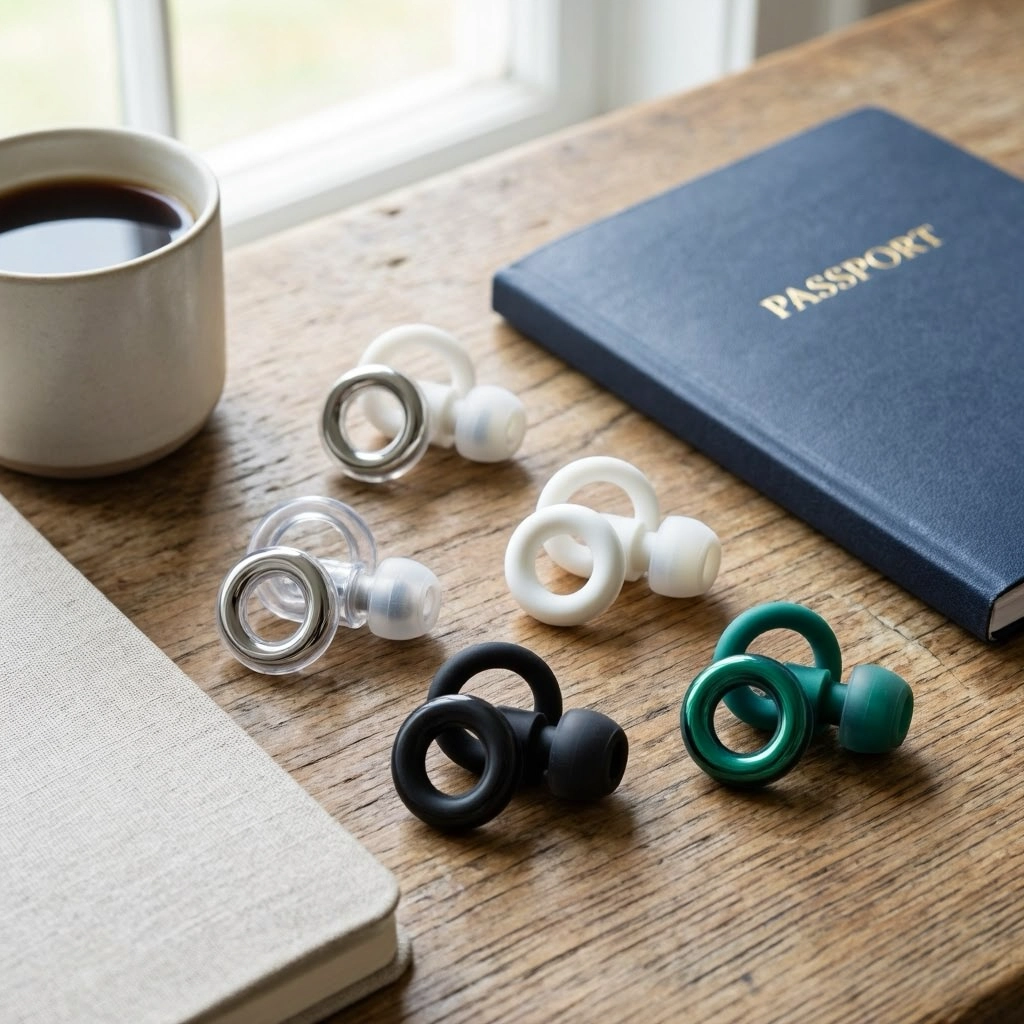
Choose Loop Engage 2 if:
- Primary use is open-plan offices, coworking spaces, cafés
- You need to maintain conversation ability while reducing background noise
- The occlusion effect from stronger models bothers you
- Environmental noise is moderate (60-75 dB)
Choose Loop Experience 2 if:
- Primary use is concerts, live music, and entertainment venues
- You want hearing protection that preserves sound quality
- You commute via loud public transit
- You value frequency-balanced filtering over maximum reduction
Choose Loop Quiet 2 if:
- Primary use is for sleeping in urban environments or shared spaces
- You need to focus in genuinely loud conditions (above 80 dB)
- You’re a side sleeper (circular design reduces pressure points)
- You take frequent long-haul flights
Choose Loop Dream if:
- You experience severe sleep disruption (snoring partners, nightlife proximity)
- Environmental noise consistently exceeds 80 dB at night
- Standard earplugs haven’t provided sufficient reduction
- You’re willing to accept a significant occlusion effect for maximum protection
Choose Loop Switch 2 if:
- You move between varied acoustic environments daily
- You travel frequently and want single-device versatility
- You need different protection levels throughout the day
- You’re willing to pay a premium (approximately $25-35 more than basic models) for adjustability
Loop Earplugs Review: Performance Comparison and Market Context
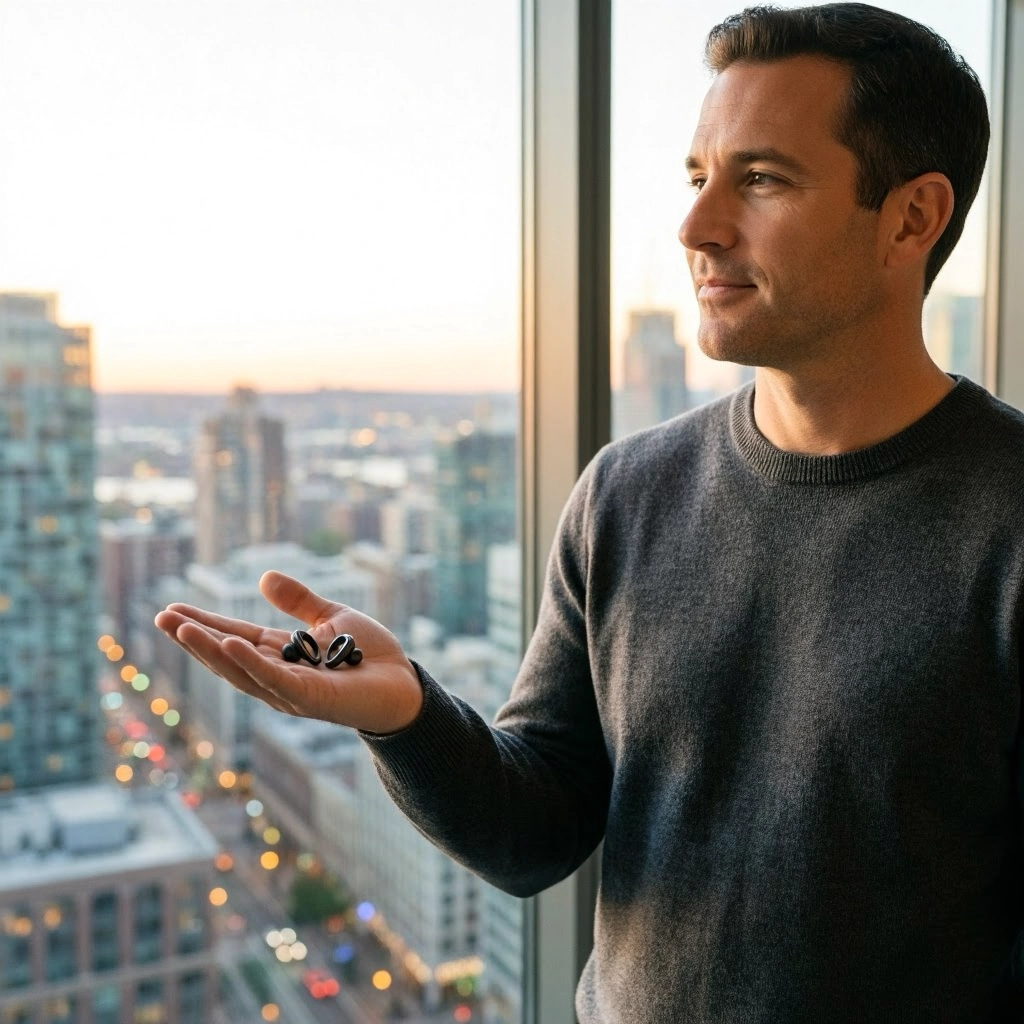
Recognition of noise as a health stressor has driven growth in the reusable earplug segment. Loop has positioned itself in the reusable, lifestyle-oriented segment, competing on design, comfort, and frequency fidelity rather than maximum decibel reduction.
Loop vs. Disposable Foam
Foam earplugs provide 29-33 dB NRR but create a significant occlusion effect, muffle high frequencies disproportionately, and generate ongoing waste. Loop offers less maximum reduction but superior comfort, reusability (6+ months), and frequency balance. For daily use, Loop’s advantages outweigh foam’s higher NRR.
Loop vs. Custom-Molded
Audiologist-fitted custom earplugs ($150-$300) provide optimal fit and potentially better frequency response. For professional musicians or severe hyperacusis, custom molding is appropriate. For general noise sensitivity and occasional exposure to loud noise, Loop’s universal-fit design offers sufficient performance at a substantially lower cost.
Loop vs. Active Noise Canceling
ANC headphones excel at continuous low-frequency cancellation but require charging, cost $200-$400, and don’t work during sleep. Loop earplugs work continuously without power, cost $25-60 depending on the model, and reduce all frequencies proportionally. Different technologies serve different needs.
Loop Earplugs Review: Final Assessment After 8 Cities
Loop earplugs are well-engineered passive acoustic filters offered at accessible price points. After testing across multiple U.S. cities, including Miami, Chicago, Austin, Portland, Seattle, and Washington, DC. I found they deliver specified performance when fitted correctly, provide measurable relief from environmental noise stress, and remain effective for 6+ months with proper care.
Success depends on four critical factors:
- Choosing the appropriate model for your primary acoustic challenge
- Selecting the correct tip size (many users need Large when they assume Medium)
- Using strategically in loud environments rather than reflexively all day
- Understanding these are tools for managing symptoms, not solutions for underlying auditory conditions
Loop’s 100-day return policy supports testing in actual environments, which matters more than published ratings given individual anatomical differences. For many adults experiencing noise sensitivity, these devices offer practical support for focus, travel, and sleep in settings that would otherwise contribute to cognitive overload.
Frequently Answer Questions
- How Long Do Loop Earplugs Last?
With proper care, Loop earplugs can last up to 5 years for daily use. Replace the silicone ear tips every 3–6 months (or ~100 uses) to maintain comfort and noise isolation. Regular cleaning prevents buildup, ensuring long-term performance.
- How Should I Clean Loop Earplugs?
- Ear tips: Remove and wash with mild soap + warm water, then air-dry.
- Main body: Wipe with a damp cloth (avoid submerging models with filters, like Switch 2 or Engage 2).
- Frequency: Clean weekly or after heavy use to prevent wax/debris buildup.
- Can Loop Earplugs Help with Misophonia?
They reduce the volume and sharpness of trigger sounds (e.g., chewing, tapping), making environments more tolerable. While not a cure, they can be a helpful tool alongside therapy or other coping strategies.
- Are Loop Earplugs Safe for Kids?
Yes! Loop Engage Kids 2 (ages 6–12) features smaller sizes, fun colors, and speech-friendly filtering. Supervise use to ensure proper fit and limit wear time. Consult a pediatric audiologist if needed.