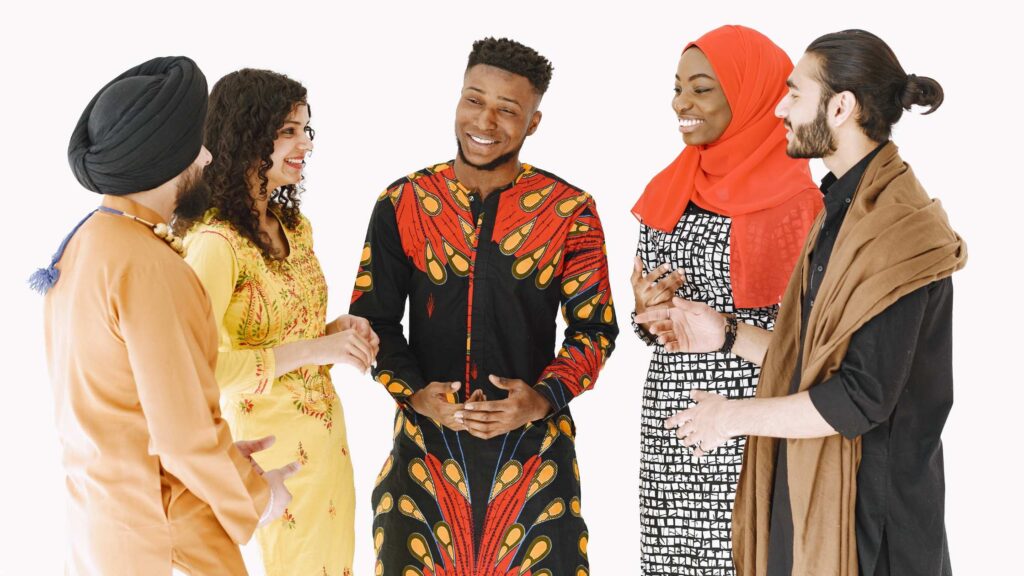
The History of Global Cultural Exchange and Its Influence Today
Global cultural exchange has been a cornerstone of human civilization since ancient times. From the earliest trade routes to today’s interconnected digital world, the sharing of ideas, traditions, and innovations has shaped societies in profound ways.
Early Roots of Cultural Exchange
The Silk Road: A Bridge Between East and West
One of the earliest and most famous examples of cultural exchange was the Silk Road. This was not just a single path but a vast network of trade routes connecting Asia, Europe, and Africa. Stretching over 6,400 kilometers, it facilitated the exchange of silk, spices, and precious metals.
More importantly, it allowed for the sharing of intangible goods. For instance, Buddhism spread from India to China along these routes, forever changing Asian art and philosophy. The Silk Road was a cultural highway where languages evolved and scientific knowledge, like paper-making and gunpowder, moved from East to West.
Ancient Empires and Cross-Cultural Influence
Empires like the Roman, Persian, and Mauryan were the original melting pots. Roman law was influenced by Greek philosophy, while Persian astronomy was enriched by Indian mathematics. These interactions created a foundation for the architecture and governance systems we still use today.To understand the deep roots of our history, check out our guide on Understanding Cultural Appropriation.
The Age of Exploration
In the 15th and 16th centuries, the Age of Exploration expanded the map. European explorers like Vasco da Gama established routes to the Americas and Asia, leading to the Columbian Exchange. This was one of the most significant events in human history.
- Food Revolution: Potatoes and maize moved to Europe, while wheat and livestock moved to the Americas. Today, it’s hard to imagine Italian food without tomatoes or Indian food without chili peppers both of which traveled during this era.
- Challenges: This period also had a dark side. Colonization and the transatlantic slave trade caused immense suffering and disrupted native cultures. However, these forced and voluntary movements also created the complex, interconnected global economy we see today.
Modern Cultural Exchange: The Digital Revolution
Technology as a Catalyst
In the 21st century, technology has removed physical borders. Social media platforms like TikTok and YouTube allow a dance trend from Africa or a fashion style from Japan to go viral in New York within hours.
- The K-Pop Phenomenon: Originating in South Korea, K-pop is now a $10 billion global industry. It has influenced fashion, beauty standards, and even led to a surge in people learning the Korean language worldwide.
- Democratization: Streaming services have brought world cinema like Oscar-winning Parasite or Squid Game to global audiences, fostering a deeper appreciation for diverse storytelling.
Globalization and Hybrid Cultures
Globalization has birthed Hybrid Cultures. This is where traditions blend to create something new like Tex-Mex cuisine or Afrobeats music. Cities like London, Dubai, and Singapore are living examples of how diversity fuels social and economic growth.
The Influence of Cultural Exchange Today
Education and Economic Growth
Cultural exchange is a massive driver of the Creative Economy. In 2026, international student programs are not just for degrees; they are for building “Global Citizenship.”
- Tourism: Interest in other cultures contributes nearly 10% to global GDP.
- Knowledge Sharing: Online learning platforms allow a student in a rural village to access courses from Harvard or Oxford, bridging the global educational gap.
Promoting Peace and Understanding
Perhaps the most vital role of cultural exchange is promoting peace. By learning about others, we overcome prejudice. Initiatives by UNESCO help protect cultural heritage, ensuring that the world’s diverse human story is preserved for the future.
Challenges and Ethical Considerations
While exchange is good, it must be ethical.
- Cultural Appropriation: This happens when elements of a culture are used without respect or understanding, often for profit.
- Marginalized Voices: We must ensure that global platforms don’t just amplify the loudest cultures, but also give space to smaller, indigenous voices.
Conclusion
The history of global cultural exchange proves that humans have always wanted to connect. From ancient camels on the Silk Road to high-speed fiber optics today, our shared curiosity is what moves the world forward. Embracing diversity is the key to a more peaceful and innovative future.visit Articlearium Coupons for exclusive deals and promo codes.
Frequently Asked Questions
What was the most important item traded on the Silk Road?
While silk gave the route its name, many historians argue that Paper was the most important, as it allowed for the mass spread of knowledge and religion.
How did the Columbian Exchange change what we eat?
Before this exchange, there were no potatoes in Ireland, no chocolate in Europe, and no cattle in North America. It completely redesigned the global menu.
Is globalization making all cultures look the same?
This is a risk called Homogenization, but usually, it leads to Glocalization where global brands adapt to local tastes, creating unique hybrids.
What is the difference between Appreciation and Appropriation?
Appreciation is when you learn about and give credit to a culture. Appropriation is when you take a sacred or traditional element and use it as a “costume” or for money without permission.
How does cultural exchange help the economy?
Through tourism, international film/music sales, and by fostering innovation. Diverse teams and societies are statistically more creative and profitable.