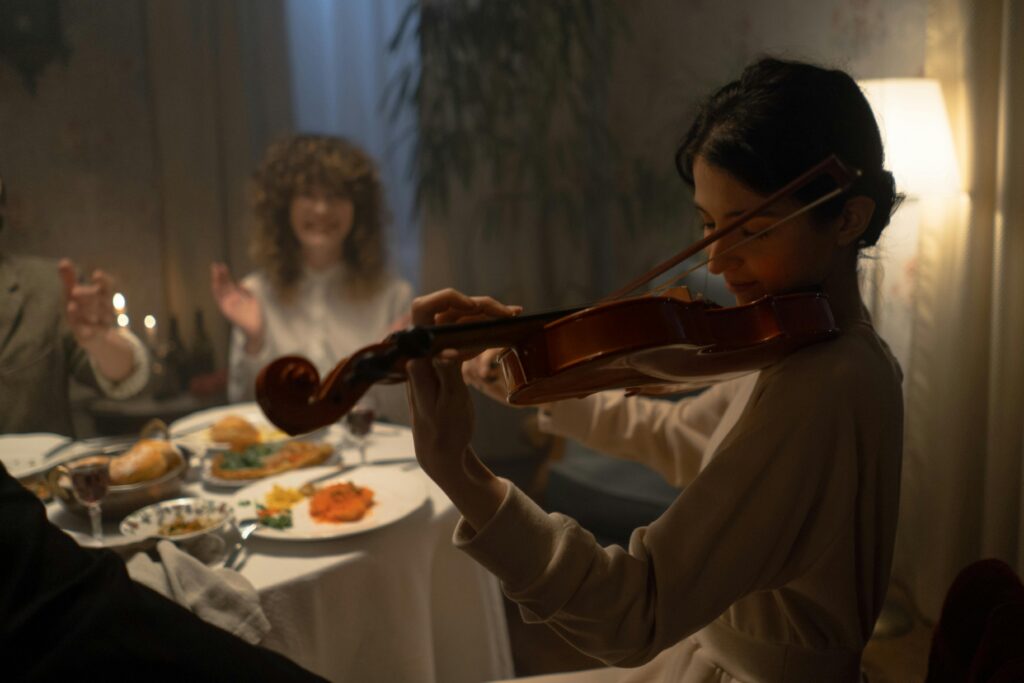
Why Music Plays a Central Role in Every Culture
Music is not just a form of entertainment; it is an essential part of human existence. Across the world, from the bustling cities to the quiet rural villages, music has been woven into the fabric of every culture. Whether it’s the ancient chants of indigenous tribes or the contemporary beats of modern pop, music transcends time, place, and language, holding a unique place in every society.
But why does music play such a central role in every culture? This article explores the reasons behind the universal importance of music and why it is so deeply embedded in human life.
The Universal Language of Emotion
One of the most compelling reasons music is central to all cultures is its ability to communicate emotion. Music is often referred to as a universal language because it speaks directly to our hearts, bypassing words. A piece of music can evoke feelings of joy, sadness, nostalgia, or excitement without the need for a single spoken word.
These emotions are universally understood, regardless of where you come from. For example, a minor key might evoke a sense of melancholy, while a major key often brings about feelings of happiness. This emotional connection makes music a powerful form of expression. It allows individuals to share experiences and feelings even if they don’t speak the same language. This is why music is vital in everything from serious funeral rites to high-energy wedding parties.
Music as a Tool for Social Cohesion
Music plays an essential role in bringing people together. In every culture, music is used to strengthen social bonds. It acts as a unifying force, providing a shared experience that makes people feel like they belong to a community. Festivals, weddings, and public holidays all feature music to unite people.
In African cultures, for instance, communal drumming is not just an art form but a way to build unity. In South American cultures, the rhythms of samba or tango are central to community identity. When we sing or dance together, our heartbeats and movements often sync up, creating a literal physical connection with the people around us. This sense of cohesion is what keeps societies strong.
Preserving History and Tradition
Music is like a living archive of a people’s history. In many societies, especially those that didn’t traditionally use written language, songs and chants were the only way to pass down knowledge. These songs recount the experiences, beliefs, and values of past generations.
- Native American Cultures: Music is used to share stories of ancestors and the natural world.
- Ancient Greece: Myths and historical events were often preserved through lyrics so they would be easier to remember.
- Modern Times: Folk songs still tell the stories of struggles and triumphs from hundreds of years ago, ensuring that the wisdom of the past is never lost.
Music in Religious Practices
Religious ceremonies across the world are almost incomplete without music. From Gregorian chants to the beautiful call to prayer, music enhances the spiritual experience. It serves as a bridge between the physical world and the divine.
In Hinduism, devotional music known as bhajans is sung to connect with God, while in Judaism, sacred songs like the Hallel are sung during festivals. The use of music in religion doesn’t just help with spiritual connection; it also reinforces the shared values and beliefs of the congregation. It creates a transcendent experience that makes people feel part of something much bigger than themselves.
Music as a Catalyst for Social Change
Throughout history, music has been a powerful tool for political activism. It gives a voice to people who feel they aren’t being heard. Protest songs have been an essential part of movements for civil rights and social justice.
For example, during the American Civil Rights Movement, songs like We Shall Overcome became anthems for unity. Similarly, the protest music of the 1960s challenged the status quo. Because a catchy song can spread faster than a political speech, music has the unique power to rally thousands of people for a common cause, giving power to the marginalized and oppressed.For more on the science of sound, check out How Music Affects the Brain.
The Therapeutic Power of Music
Music isn’t just good for the soul; it’s good for the brain. Research shows that music has profound effects on mental health. It can reduce stress, improve your mood, and even help with physical healing.
When you listen to music you love, your brain releases dopamine the feel-good chemical. This is why music therapy is now being used to treat conditions like depression, anxiety, and PTSD. Whether you are playing an instrument, singing in a choir, or just listening to your favorite playlist on the way to work, music acts as a natural medicine that transcends cultural boundaries.
The Evolution of Music in Modern Culture
In today’s globalized world, music has become a massive industry. It continuously evolves, reflecting what is happening in society. Digital platforms and social media have changed the game, allowing a musician in a small bedroom to reach a global audience.
The popularity of genres like K-pop and Latin music shows that music’s importance is only growing. These genres speak to shared experiences of young people everywhere, proving that even in a world of high-tech gadgets, the simple power of a rhythm and a melody is what truly connects us all.
Conclusion: Central to Every Culture
Music has always held a central role in every culture. It is an emotional outlet, a way to stay connected to our history, and a tool for changing the world. From the traditional rhythms of ancient tribes to the global beats of modern artists, music is the universal language that connects us all. It shapes our identities and will continue to do so for generations to come.Don’t let the price tag stop you from exploring the world of music. Visit Articlearium Coupons today for exclusive promo codes and discounts on musical instruments, audio gear, and travel essentials to see your favorite global festivals live.
Frequently Asked Questions
Why do different cultures have such different sounds?
It usually depends on the instruments available in that region and the environment. For example, cultures in mountainous areas might use loud horns to communicate across distances, while forest cultures might use wooden drums.
Can music actually improve my memory?
Yes! This is called the Mozart Effect or rhythmic entrainment. Music helps the brain organize information, which is why it’s often easier to remember the lyrics of a song than a page from a book.
Why does some music make us feel sad even if there are no lyrics?
It’s all about the tempo and the key. Slower tempos and minor scales mimic the sound of a human sigh or a sad voice, which our brains naturally interpret as melancholy.
Is musical talent something you are born with?
While some people have a natural ear for music, anyone can learn. Music is a skill that can be developed with practice, just like learning a new language.
How does music help in social gatherings?
Music reduces social anxiety and creates a shared rhythm. When everyone is listening to the same beat, it creates a sense of safety and togethernes
How can I use music to reduce my daily stress?
Try Active Listening. Instead of just having music in the background, sit down for 10 minutes and focus entirely on the sounds. Slower, instrumental tracks usually work best for lowering heart rates.