The Color of Culture: Exploring Diversity in the Modern Age
In today’s rapidly changing world, cultural diversity has become more apparent and essential than ever before. With the rise of globalization and the power of digital communication, people from different backgrounds, languages, and traditions are connecting and sharing experiences on a global scale. This rich cultural tapestry is transforming every aspect of life, from the workplace to the arts, and creating a vibrant global society that celebrates differences.
In this article, we will explore how cultural diversity shapes the modern age, why it matters so much, and the practical ways in which we can embrace and celebrate the unique colors each culture brings to the world.
The Evolution of Cultural Diversity in the Globalized World
Historically, cultures developed in isolation. Think about it thousands of years ago, a village in the mountains had very little contact with a city by the sea. Their food, clothes, and stories were influenced only by their immediate surroundings. However, today’s world is different. Technological advancements and global trade have completely reshaped how we interact.
Cities like New York, London, Toronto, and Dubai are now multicultural hubs. In these places, you can walk down one street and hear five different languages or smell food from three different continents. This intersection of cultures is like a creative spark. When people with different perspectives coexist, they contribute to a richer social fabric, leading to new inventions and better ways of living together.
The digital age has been a game-changer. Social media and streaming services allow us to learn about cultures that were once unknown to us. For example, K-pop from South Korea isn’t just Korean music anymore it’s a global language. Similarly, Afrobeat from West Africa has changed the sound of modern pop music everywhere. These exchanges make our lives more colorful and open our minds to new possibilities.
The Power of Cultural Exchange
Cultural exchange is one of the most powerful forces driving the modern world. It is the simple act of connecting with someone who sees the world differently. This provides a chance for deeper understanding and empathy. When we try a new dish, listen to a foreign song, or travel to a new country, we start to see the world through a different lens.
Music is perhaps the best example. Music doesn’t need a translator; you can feel the emotion even if you don’t understand the words. The success of bands like BTS or the rise of Latin music globally proves that borders are disappearing in the world of art. Movies and TV shows do the same. When a film like Parasite wins an Oscar, it proves that a story from a small neighborhood in Seoul can resonate with someone living in London or Karachi. These narratives challenge the old idea that only Western stories matter.
Diversity in the Workplace: A Reflection of the Modern World
In the modern economy, diversity isn’t just a buzzword it’s a survival strategy. Companies now realize that if everyone in the room thinks the same way, they will never solve complex problems. A diverse workforce brings together different skills and life experiences.
Research shows that diverse teams are better at brainstorming. Why? Because they don’t have groupthink. They question each other and look at problems from every angle. Global giants like Google, Microsoft, and IBM actively hire people from all over the world because they serve a global market. If you want to sell a product in Asia, you need people on your team who understand Asian culture.
Beyond profit, workplace diversity makes the office a better place to be. When employees feel that their identity is valued, they are more motivated and productive. It creates a sense of belonging” that is essential for long-term success.
Overcoming Challenges: Addressing Cultural Intolerance
However, we must be honest diversity also brings challenges. As we are exposed to cultures that differ from our own, it can sometimes cause fear or misunderstanding. This is where prejudice and stereotyping come from. Some people see difference as a threat rather than a strength.
To overcome this, we need education and inclusivity. Schools and governments must take the lead. Intercultural workshops and diversity training can help people see past their biases. But as individuals, we also have a responsibility. We need to be brave enough to ask questions, learn from others, and challenge our own inner voice when it makes an unfair judgment about someone based on their background.
The Role of Art and Fashion in Celebrating Diversity
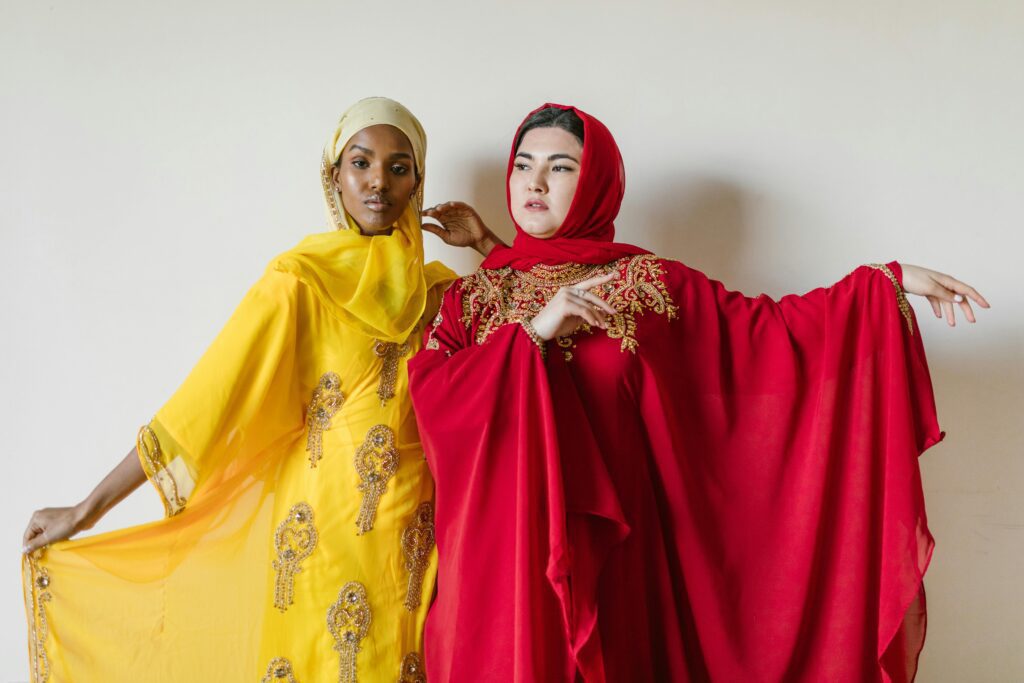
Art and fashion are the most visible ways we express who we are. In recent years, these industries have become much more inclusive. Designers are no longer just following a “single standard” of beauty. Instead, they are celebrating their heritage.
- In Fashion: Designers like Virgil Abloh or brands that use traditional African prints or South Asian embroidery are making a statement. They are saying that traditional can also be modern.
- In Visual Art: Artists are using painting and photography to tell stories of migration, identity, and pride. They are helping us see the color of culture in a way that words sometimes can’t.
Looking to Add More Color to Your Life?
Celebrating diversity often starts with exploration whether it’s trying new global cuisines, decorating your space with multicultural art, or learning a new language. But we know that starting a new hobby or traveling can sometimes be expensive.To help you dive into new cultural experiences without the stress of high costs, visit Articlearium Coupons! Whether you’re looking for discounts on international cooking classes, language apps, or travel gear for your next cultural adventure, we’ve got the deals to make it happen.
Conclusion: Celebrating the Color of Culture
The “color” of culture in 2026 is richer than it has ever been. As our world becomes more interconnected, we have a choice: we can either fear the differences or we can celebrate them. From the music we listen to, to the teams we work with, cultural exchange makes our lives more creative and meaningful.
Diversity is not just about living together it’s about celebrating each other. Each culture is a unique piece of a massive global mosaic. By embracing these colors, we don’t just honor the past; we build a much brighter and more inclusive future for everyone.For more deep dives into how diversity is changing the world, you can explore detailed reports on Harvard Business Review .
Frequently Asked Questions
Why is cultural diversity increasing so fast now?
Mainly because of the internet and global travel. In the past, you had to travel for weeks to see a different culture; now, you can see it in seconds on your phone screen.
Does Cultural Diversity mean everyone has to be the same?
Actually, it’s the opposite! It means everyone stays unique and keeps their own traditions, but we all respect and learn from each other.
How can I be more culturally sensitive in my daily life?
The best way is to listen more than you speak. Try to learn one new thing about a different culture every weekwhether it’s a word in another language or a bit of history.
Does diversity really make a company more money?
Yes. Multiple studies show that companies with diverse leadership are 33-35% more likely to have better financial returns because they are more innovative.r.
How can fashion help in social inclusion?
When a famous brand uses models from different ethnicities or showcases traditional designs, it tells the world that those cultures are beautiful and important.