The Top Cultural Traditions That Bring Communities Together
Cultural traditions are not just customs or rituals they are the threads that bind individuals to their history, identity, and each other. They provide a sense of belonging, strengthen relationships, and unite communities across the globe. From religious holidays to festive celebrations, these traditions foster a deep sense of togetherness that transcends time and space. In 2026, as the world becomes more digital, these physical and emotional connections are more important than ever. In this article, we will explore some of the top cultural traditions that bring communities together and examine their significance in shaping the fabric of societies.
1. Festivals and Celebrations
Festivals are one of the most powerful cultural traditions that bring communities together. These celebrations are often rooted in religious, historical, or seasonal events, offering people a chance to connect with their heritage and one another. Regardless of where they occur, festivals have the unique ability to unite people from diverse backgrounds and create an atmosphere of joy and harmony.
- Diwali: Known as the Festival of Lights in India, Diwali is a celebration that marks the triumph of light over darkness and good over evil. Families and communities come together to decorate homes with oil lamps, exchange gifts, and enjoy special meals. This festival unites people of all ages, creating a sense of collective joy and reflection.
- Christmas: Celebrated in many countries worldwide, Christmas is another key tradition that brings communities together. It encourages acts of goodwill, kindness, and charity. Whether through church services, family gatherings, or community volunteerism, Christmas creates opportunities for people to bond and reflect on shared values.
- Carnival in Brazil: One of the largest and most colorful festivals globally is Carnival. Known for its samba music, vibrant parades, and elaborate costumes, Carnival is a grand celebration that unites people from different walks of life. The streets are filled with joy and music, creating an unforgettable sense of community and shared cultural pride. For those interested in the deep history behind these global events, you can explore National Geographic for detailed cultural explorations and stunning photography of these traditions in action.
2. Shared Meals and Cuisine
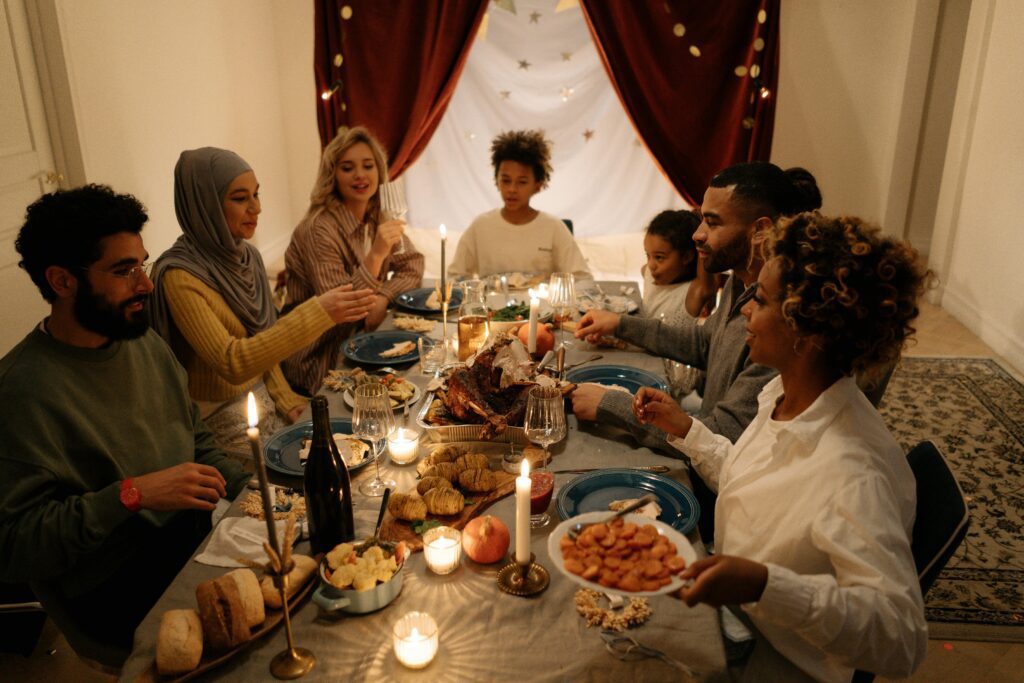
Food is not just a means of sustenance; it is an integral part of cultural identity and a powerful tool for bringing people together. Whether it’s a family meal, a neighborhood feast, or a religious gathering, shared meals create a sense of connection and allow people to bond over common experiences.
- Thanksgiving: In the United States and Canada, Thanksgiving is a significant tradition where families gather to share a large meal. This holiday encourages reflection on gratitude and togetherness.
- Ramadan and Iftar: Observed by Muslims around the world, Ramadan involves fasting from dawn until sunset. The act of sharing iftar (the evening meal) is a powerful moment of connection, as communities gather to break their fast, pray, and strengthen relationships.
- Japanese Tea Ceremony: In Japan, the tea ceremony is a revered practice that emphasizes harmony, respect, and tranquility. It is an occasion where people come together in a peaceful setting to prepare and drink tea, promoting a sense of unity and mindfulness.
3. Rites of Passage and Celebrations of Life
Cultural traditions surrounding rites of passage are an essential way that communities come together. These traditions mark significant milestones in a person’s life, such as weddings, births, and graduations. Celebrating these milestones with loved ones strengthens community ties and highlights the interconnectedness of individuals.
- Weddings: Weddings are an expression of love and unity. In India, weddings are often elaborate affairs with multiple ceremonies involving extended families. These celebrations signify not only the union of two people but also the coming together of two entire communities.
- Graduations: Whether it’s a high school graduation or a university commencement, these milestones bring together families and friends to celebrate academic achievements. The sense of pride shared by the community fosters unity and encourages continued success for the younger generation.
- Coming-of-Age: Ceremonies like the Jewish Bar and Bat Mitzvahs or the Mexican Quinceañera mark the transition from childhood to adulthood, often accompanied by large gatherings that celebrate the individual’s growth.
4. Art, Music, and Dance
Cultural traditions involving art, music, and dance reflect the values, stories, and history of a community while allowing for self-expression.
- African Drumming: In many African cultures, drumming is central to ceremonies. Drums are powerful symbols of communication and unity, connecting individuals to their ancestors and to each other through rhythm.
- Ballet Folklorico: In Mexico, this traditional dance showcases the country’s rich heritage through colorful costumes and energetic performances, bringing people closer to their history.
- Irish Folk Music: In Ireland, traditional tunes and step dancing provide a sense of continuity and pride, passed down through generations to maintain community life.
5. Religious Gatherings and Spiritual Practices
Religious traditions play a central role in uniting communities around shared beliefs. These practices provide an opportunity for individuals to support one another in their faith.
- Hajj Pilgrimage: For Muslims, the journey to Mecca is one of the most significant events. It unites millions of people from every corner of the globe, performing rituals that symbolize total equality and devotion.
- Sunday Church Services: In Christianity, weekly services bring worshippers together to pray and offer support, creating a strong sense of belonging and spiritual fulfillment.
- Group Meditation: For Buddhists, shared meditation cultivates mindfulness and compassion, strengthening the collective well-being of the community.
Conclusion: Embracing Unity through Tradition
Cultural traditions are an essential part of human life, offering people the opportunity to come together, celebrate, and reflect on their shared histories and values. Whether through festivals, shared meals, or religious gatherings, these traditions create bonds that unite communities and foster a sense of belonging. As we continue to navigate an increasingly globalized world, it is crucial to celebrate and uphold these traditions, as they remind us of the power of connection, unity, and shared humanity.Don’t forget to check Articlearium for the latest deals on traditional wear, festive decor, and community event passes to make your next cultural celebration even more special! Keeping traditions alive has never been more rewarding.
Frequently Asked Questions
How do traditions help in times of crisis?
Traditions provide a predictable routine and a sense of “normalcy.” When communities face hard times, their shared rituals help them feel supported and less alone.
Why is breaking bread together so common across cultures?
Eating together is a sign of peace and trust. In almost every culture, offering food is the first step in building a friendship or welcoming a stranger.
Are traditions changing in the digital age?
Yes, some traditions now happen online (like virtual holiday calls), but the core goal remains the same: staying connected to the people who matter.
What is the most celebrated festival in the world?
While it varies, New Year’s Eve and religious holidays like Eid, Diwali, and Christmas are among the most widely celebrated global events.
How can I learn about a culture without being offensive?
The best way is to be a respectful observer. Ask questions, listen to the stories behind the traditions, and participate only when invited.
Do traditions only belong to old generations?
Not at all! Younger generations often take old traditions and add modern twists to them, keeping the culture alive and relevant for the future.