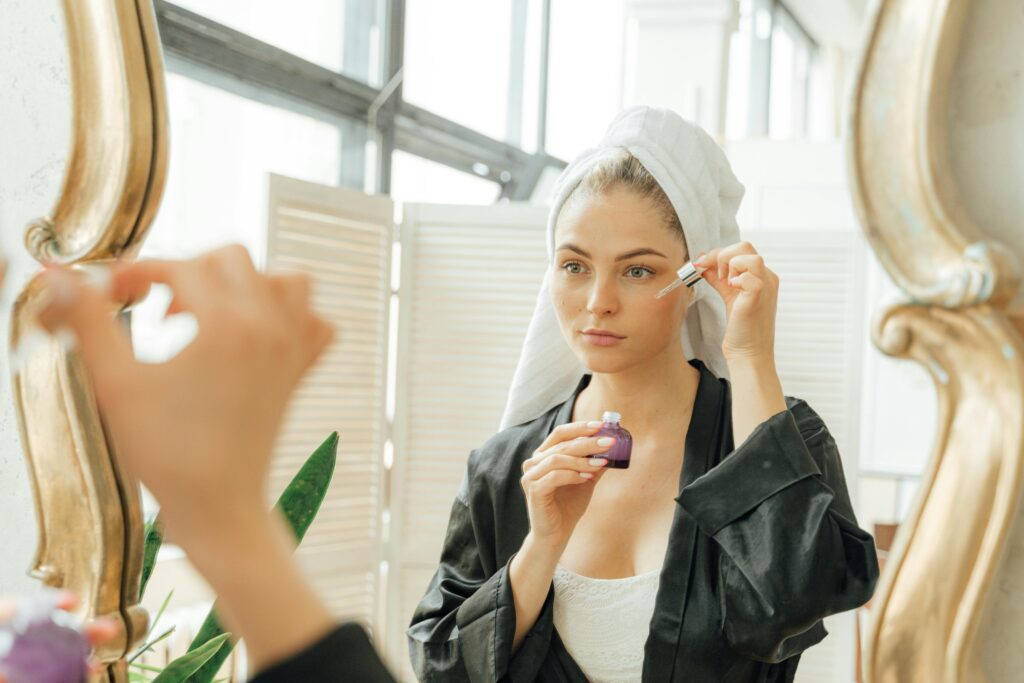
The Best Skincare Tips for Acne-Prone Skin
Dealing with acne-prone skin can feel overwhelming, but the right skincare routine can make a world of difference. Whether you’re battling breakouts as a teen or struggling with adult acne solutions, these tips are designed to help you achieve clearer, healthier skin. In 2026, the focus has shifted from stripping the skin to supporting it. Let’s dive into the best skincare tips for acne-prone skin 2026 and how you can start seeing results today.
1. Keep Your Skin Clean, But Don’t Overdo It
Cleansing your skin is the foundation of any skincare routine, especially for acne-prone skin. However, it’s essential not to overdo it. Washing your face twice a day once in the morning and once before bedis sufficient. Over-washing can strip your skin of natural oils, leading to irritation and more breakouts.
In 2026, experts emphasize microbiome friendly acne care. This means using a gentle cleanser for sensitive and acne-prone skin that removes dirt without killing the good bacteria on your face. Look for ingredients like salicylic acid cleanser formulas or benzoyl peroxide, which help unclog pores and reduce inflammation.
2. Moisturize Daily Even Oily Skin Needs It
It’s a common misconception that acne prone skin doesn’t need moisturizer. In reality, skipping this step can lead to dryness, which may cause your skin to produce even more oil to compensate. This is often the root cause of oily but dehydrated skin.
Opt for a lightweight, non comedogenic moisturizer to keep your skin hydrated without clogging pores. Hyaluronic acid and glycerin are excellent ingredients to look for. In 2026, many people are also turning to polyglutamic acid, which holds even more moisture than hyaluronic acid. These ingredients provide hydration without adding extra oil, leaving your skin feeling balanced and healthy.
3. Exfoliate Gently
Exfoliation is crucial for removing dead skin cells that can clog pores, but aggressive scrubbing can do more harm than good. Stick to chemical exfoliation using alpha hydroxy acids AHAs or beta hydroxy acids BHAs instead of harsh physical scrubs. These exfoliants penetrate deep into the skin to clear pores and reduce acne-causing bacteria.
Consider using a product with glycolic acid or salicylic acid once or twice a week. A major trend in 2026 is slow exfoliation, where you use lower percentages more frequently rather than a high-strength peel once a week. This keeps the skin smooth without causing the redness spiral. Brands like Paula’s Choice are well-known for their effective, professional-grade exfoliating solutions.
4. Don’t Skip Sunscreen
Sunscreen is a must-have for everyone, especially those with acne-prone skin. Many acne treatments, such as retinoids and AHAs, can make your skin more sensitive to the sun photosensitivity, increasing the risk of sunburn and post-inflammatory hyperpigmentation dark spots.
Look for oil-free, non-comedogenic sunscreens with an SPF of at least 30. Mineral sunscreen for acne containing zinc oxide or titanium dioxide is particularly gentle on sensitive skin and helps calm inflammation. Check out top rated non-comedogenic sunscreens for oily skin from brands like EltaMD to ensure your pores stay clear while staying protected.
5. Treat Your Skin With Active Ingredients
If you’re dealing with persistent acne, incorporating active ingredients into your routine can help. Here are the top performers for 2026:
- Benzoyl Peroxide: Reduces bacteria and clears clogged pores.
- Retinoids: Promote cell turnover and prevent new breakouts. Knowing how to use retinoids for beginners without irritation like the sandwich method is key to success.
- Niacinamide: This is a 2026 favorite. The benefits of niacinamide for acne redness and scars are immense, as it calms inflammation and strengthens the skin barrier.
- Azelaic Acid: Finally getting the credit it deserves, this ingredient targets acne, rosacea, and pigmentation all at once.
Start slowly to avoid irritation and consult with a dermatologist if you’re unsure which best acne treatments are right for your specific skin type.
6. Avoid Touching Your Face
Your hands come into contact with countless surfaces throughout the day, collecting dirt, oil, and bacteria. Touching your face can transfer these impurities to your skin, leading to clogged pores and breakouts. Why touching your face causes more pimples is simple: it introduces foreign bacteria to an already sensitive environment. Try to keep your hands away from your face and clean your phone screen regularly with alcohol wipes to minimize bacterial transfer.
7. Stick to Non-Comedogenic Makeup
Makeup can exacerbate acne if it clogs your pores. Choose products labeled as non-comedogenic or oil-free. In 2026, skincare-infused makeup has become a huge trend, where foundations actually contain acne-fighting ingredients like salicylic acid or zinc. Mineral makeup is another excellent choice, as it’s lightweight and less likely to irritate your skin. At the end of the day, always remove your makeup thoroughly with a gentle cleanser or micellar water to ensure your pores can breathe while you sleep.
8. Watch Your Diet
While the link between diet and acne isn’t fully understood, 2026 research continues to show that dietary changes to reduce acne breakouts fast can be effective. High-glycemic foods like sugary snacks and refined carbs can spike your blood sugar and insulin levels, potentially worsening acne.
Try incorporating more fruits, vegetables, and omega-3 fatty acids found in salmon and flaxseeds into your diet. Staying hydrated by drinking plenty of water is also key to maintaining a healthy, glowing complexion. Some people also find that reducing dairy intake helps clear up hormonal acne patterns.
9. Keep Your Skincare Routine Simple
When it comes to acne-prone skin, less is more. This is a core philosophy of a simple skincare routine for stubborn teen acne. Overloading your skin with too many products, or slugging with heavy oils, can lead to massive irritation and make acne worse. Stick to a simple routine: cleanser, treatment active ingredient, moisturizer, and sunscreen. You can add extras like exfoliants or serums as needed, but don’t feel pressured to follow a 10-step routine.
10. Consult a Dermatologist
If over the counter products aren’t working after 8 to 12 weeks, it might be time to consult a professional. A dermatologist can provide adult acne solutions and prescription treatments tailored to your skin type, such as stronger retinoids, oral medications, or even AI-driven skin analysis to find your perfect formula. They can also explain the difference between benzoyl peroxide and salicylic acid in the context of your specific acne type cystic vs. blackheads.
Final Thoughts
Managing acne-prone skin requires patience and consistency, but with the right clear skin tips, you can see noticeable improvements. By following these best skincare tips for acne-prone skin 2026, you’ll be well on your way to achieving clearer, healthier skin. Also, don’t forget that you can find great deals and promo codes in Articlearium to save money on your next purchase of dermatologist-recommended cleansers and treatments. For more expert advice, check out resources like the American Academy of Dermatology or consult with a local specialist.
FAQs (Simple English | Under 200 Characters)
How often should I wash my face if I have acne?
Wash your face only twice a day. Over-washing strips natural oils, causing irritation and leading to even more breakouts.
Does oily, acne-prone skin really need moisturizer?
Yes! Skipping moisturizer makes skin dry, forcing it to produce more oil. Use a lightweight, non-comedogenic formula to keep it balanced.
What is the best way to exfoliate acne-prone skin?
Avoid harsh scrubs. Use gentle chemical exfoliants like Salicylic Acid (BHA) to deep clean pores without irritating active pimples.
Why is sunscreen important for acne-prone skin?
Many acne treatments make skin sun-sensitive. Sunscreen prevents dark spots (hyperpigmentation) and protects your skin from damage.
Which active ingredients help clear acne fastest?
Benzoyl Peroxide kills bacteria, while Retinoids speed up cell turnover. Niacinamide is great for reducing redness and calming inflammation.
Can my diet really affect my breakouts?
It can. High-sugar foods and refined carbs may spike blood sugar and worsen acne. Eating more greens and staying hydrated helps.
When should I see a dermatologist for my acne?
If over-the-counter products don’t work after a few months, consult a pro for prescription treatments tailored to your specific skin type.