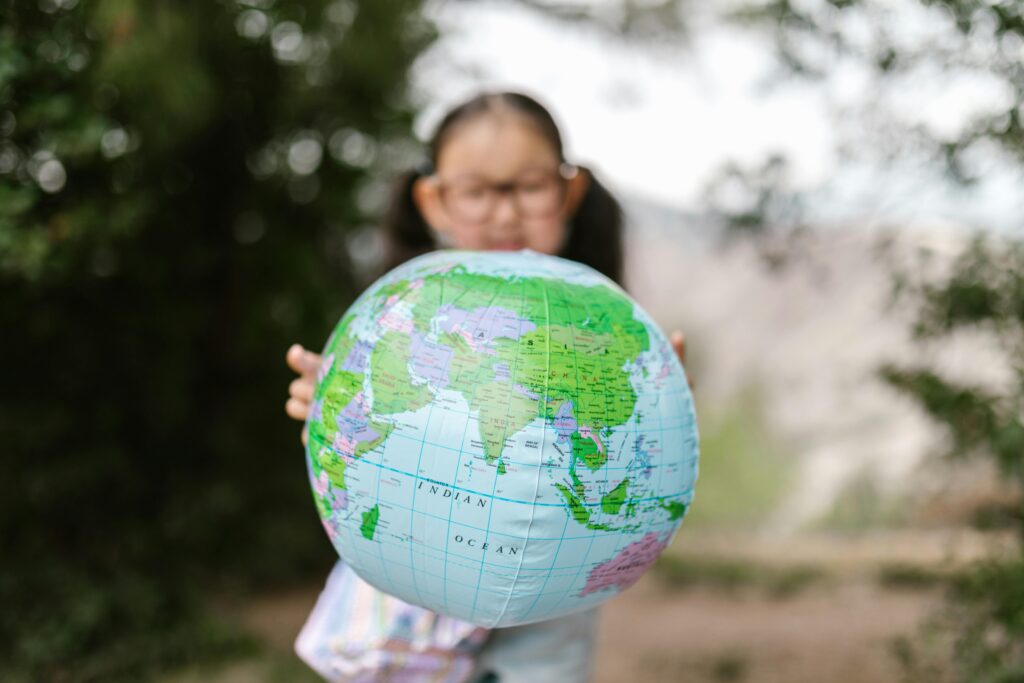
Globalization is an undeniable force that has rapidly transformed societies around the world. It refers to the interconnectedness and integration of global economies, cultures, and societies, largely facilitated by advancements in technology, communication, and international trade. While globalization has brought immense economic growth, technological innovations, and cultural exchanges, it has also had profound effects on local cultures. In this article, we will explore how globalization is reshaping local cultures, examining both the positive and negative impacts, as well as how communities are adapting.
Understanding Globalization and Its Scope
Before exploring its effects on local cultures, it’s important to understand the core concept of globalization. Globalization encompasses the flow of goods, ideas, people, and services across national boundaries. Through the internet, international travel, and multinational corporations, countries are more connected than ever.Companies like Global are at the forefront of this movement, enabling brands to sell their products seamlessly across borders, further accelerating the integration of global markets
This increased interaction has created a more integrated world. For example, a person sitting in a small town in Pakistan can watch a movie from Korea, order shoes from America, and talk to a friend in Australia instantly. But this convenience comes with a price: it leads to significant changes in local traditions, languages, and lifestyles that have existed for centuries.
Cultural Homogenization: The Spread of a Global Culture
One of the most noticeable impacts of globalization is cultural homogenization. This is a fancy way of saying that the world is starting to look and act the same. As global influences grow stronger, many local cultures are adopting similar practices, behaviors, and trends.
For instance, American culture has become dominant in many parts of the world. From Hollywood movies to fast-food chains like McDonald’s and tech giants like Apple, the “Western” way of life is everywhere. This leads to a blending of cultures, which often results in the erosion of traditional values. Younger generations are increasingly adopting Western styles of clothing, eating habits, and even ways of thinking, sometimes forgetting the rich customs of their own ancestors.
The Revival and Preservation of Local Culture
While globalization might seem like a threat, it has also had a positive influence in some cases. The digital age has allowed local cultures to reach a wider global audience. Paradoxically, the same internet that spreads Western culture also helps in the revival and preservation of local traditions.
Thanks to social media platforms like TikTok, YouTube, and Instagram, artists and musicians from small tribes or remote villages can showcase their heritage to millions. For example, traditional African music and indigenous crafts have gained massive recognition worldwide. As more people learn about these unique cultures, the local communities feel a sense of pride and are more motivated to keep their traditions alive. Cultural tourism is also on the rise, as travelers now look for authentic experiences rather than just staying in generic luxury hotels.
Cultural Exchange and Fusion: The Birth of Hybrid Cultures
Another effect of globalization is the birth of Hybrid Cultures. When people from different backgrounds meet, they don’t just pick one culture over the other; they mix them. This results in something entirely new and unique.
In the food industry, this is very common. Sushi was originally a Japanese dish, but now you can find Mexican Sushi or Fusion Sushi in almost every major city. Similarly, Bollywood films from India have a huge following in Nigeria and Russia, leading to a mix of dancing and storytelling styles. This cultural exchange fosters creativity and shows that diversity is not just about staying apart, but about coming together to create something fresh.
Language and Communication: English as a Global Lingua Franca
A significant aspect of globalization’s impact is the widespread use of the English language. English has become the Global Lingua Franca the language used for business, science, aviation, and the internet. In many countries, children are taught English from a very young age because it is seen as a ticket to a better career.
While this makes global communication easier, it has a downside. Many regional languages are declining. When younger people prioritize English over their mother tongue, they lose a part of their cultural identity. Language is not just words; it carries the history, jokes, and soul of a culture. As local languages fade, the rich heritage tied to them can be lost forever.
The Positive Side of Globalization
Despite the challenges, globalization brings numerous benefits. The most significant advantage is the increased awareness of cultural diversity. It allows us to break down stereotypes. When we learn about how people live in other countries, we become more empathetic and inclusive.
Economically, globalization is a huge help for local artisans. A craftsman in a small village can now sell their handmade products to someone in London through e-commerce platforms like Etsy or Amazon. This economic empowerment gives people the resources they need to continue their traditional work instead of moving to big cities for labor jobs.
The Negative Impact of Globalization
On the other hand, we cannot ignore Cultural Imperialism. This happens when a dominant culture usually Western overshadows smaller, local cultures. In many developing countries, local customs are sometimes seen as old-fashioned or inferior compared to global trends.
Moreover, globalization encourages mass consumption. Traditional cultures were often more sustainable and lived in harmony with nature. But the spread of global consumerism leads to more waste and industrialized practices that can harm local ecosystems and traditional ways of farming or fishing.
Adapting to Globalization
The secret to surviving in a globalized world is adaptation. Local cultures don’t have to disappear; they just need to evolve. Education is the key. By teaching the youth that their culture is a superpower, communities can instill pride.
Communities can also use technology to their advantage. Digital archives of folk songs, apps that teach local languages, and social media campaigns for traditional festivals are all ways that local cultures can stay relevant and strong in the 21st century.
Conclusion
Globalization has significantly impacted local cultures, both positively and negatively. While it has led to cultural homogenization, it has also promoted the preservation and fusion of traditions. As we navigate this connected world, the goal is to find a balance to enjoy the benefits of global technology and trade while safeguarding our unique cultural Roots.This economic empowerment helps preserve and promote local cultures. If you’re looking to support global artisans or grab the latest tech to stay connected with the world, visit Articlearium Coupons for exclusive deals that make global shopping more affordable.
Frequently Asked Questions
Is globalization making the whole world look the same?
In some ways, yes like the spread of malls and fast food, but it also allows unique cultures to stand out more because they are now rare and highly valued by global travelers.
Why is English so dominant in globalization?
Because it was the language of the industrial revolution and the early internet. Today, it’s the standard language for international business, making it a must-learn for global careers.
Can a culture survive if it doesn’t change?
History shows that cultures that don’t adapt often struggle. The strongest cultures are those that keep their core values but adapt their Wings to fit the modern world.
What is Cultural Hybridity?
It is the mixing of two or more cultures to create something new. Examples include Tex-Mex food, K-Popwhich mixes Korean lyrics with Western pop beats, and fusion fashion.en.
How can I help preserve my local culture?
Start at home. Speak your mother tongue, learn your traditional recipes, and support local businesses instead of always choosing global brands.
Is globalization a Western invention?
While Western countries led the recent wave, globalization is now truly global. Countries like China, South Korea, and India are now major players in spreading their own culture worldwide.